
The Odyssey and the Rāmāyana: Two Great Epics, So Similar Yet So Different
Homer’s Odyssey and Valmiki’s Rāmāyana come from very different cultures, yet their heroes face remarkably similar journeys. Their differences reveal two very different ideas of heroism, duty, and the human condition.
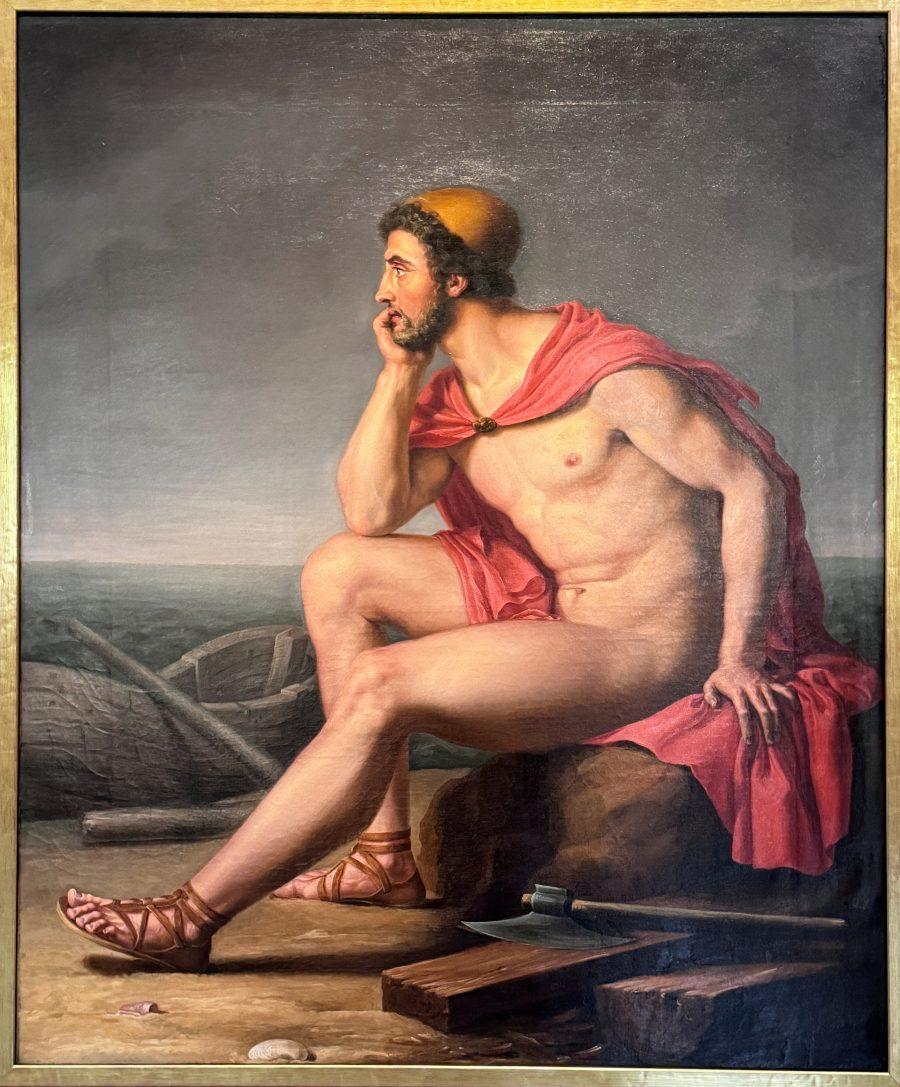
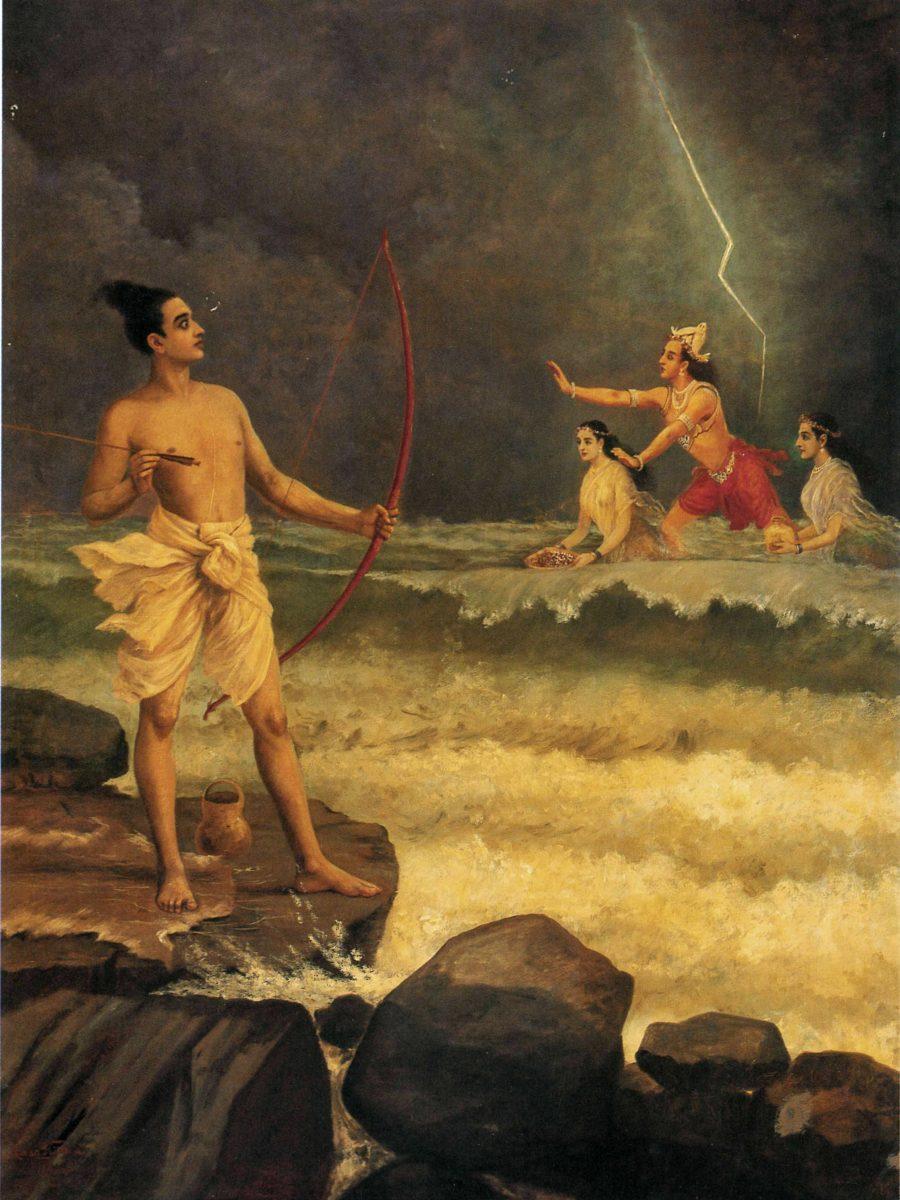
Two Epics Separated by Time and Culture
With the arrival of Christopher Nolan’s film The Odyssey, it is natural to compare Homer’s epic poem with Valmiki’s Ramayana—two of the world’s greatest epics, born on separate continents and separated by vast cultural distance, yet sharing striking similarities at their core.
Remarkable Similarities
Both epics—oral traditions committed to writing long after their origins—follow a hero’s journey through perilous adventures, war, archery contests featuring nearly impossible-to-string bows, encounters with mythical beings and monsters, faithful wives who endure long and uncertain separation, and a long-awaited return to reclaim a kingdom. The parallels are remarkable.
Two Very Different Gods and Cosmic Worlds
Yet the two poems diverge profoundly in spirit and purpose. The gods of The Odyssey are capricious, quarrelsome, and morally ambiguous, intervening in human affairs according to personal loyalties and grudges. The divine world of the Ramayana, by contrast, is guided by moral order: its narrative is shaped by dharma and karma, and events unfold not through divine whim but toward the fulfillment of a cosmic design.
Odysseus: The Hero of Cunning and Endurance
The two heroes also share certain qualities but differ fundamentally in motivation and meaning. Odysseus, the brilliant warrior from the Trojan War, is an intensely human figure—clever, resourceful, deceptive, and flawed, driven as much by personal glory as by loyalty to home and family. He is celebrated not only for his courage and martial skill but above all for his cunning: his ability to devise improbable escapes, outwit gods and monsters, and transform adversity to advantage. Yet his hunger for fame repeatedly prolongs the very journey he longs to complete. His exploits are exhilarating, but they ultimately serve no purpose beyond his own survival and return home. Beneath the adventure lies little moral or spiritual aspiration.
Rama: The Hero of Dharma and Duty
Rama, the hero of the Ramayana, is equally formidable in battle, but he is celebrated above all for the dharmic quality of his conduct—the unwavering righteousness with which he follows his path. When the demon king Rāvana abducts his wife Sita, Rāma does not merely wage war to rescue her; he undertakes a struggle whose every major decision carries moral significance. He is admired for his nobility, compassion and wisdom. Unlike Odysseus, who often prevails through deception, Rāma succeeds by forging genuine alliances—with forest sages, magical beings, devoted warriors, and even some of the very adversaries he defeats. His purpose extends far beyond survival or personal glory. He is presented as the ideal ruler, one who governs with justice, exercise power with restraint, and place duty above self-interest. The tradition honors him as Maryādā Puruṣottama—the Supreme Exemplary Man—whose life embodies righteousness, self-discipline, and devotion to duty.
Two Different Ideas of Heroism – Why These Epics Still Matter
The two epics also occupy very different places in their cultures today. The Odyssey remains one of the foundational works of Western literature, studied, translated, adapted, and continually reinterpreted in novels, theater, and film. The Ramayana, however, is not only a literary masterpiece but also a living cultural tradition across South and Southeast Asia. It is recited, performed, painted, and woven into the fabric of every daily life. Each year, the Festival of Diwali commemorates Rāma’s triumphant return to Ayodhya—not as a literary event but as a living expression of faith and cultural identity.
For Western Readers, the Rāmāyana Opens Another World
For readers who would like to experience the full sweep of India’s great epic, I invite you to read The Rāmāyana for Western Readers. It retells the story in accessible, vivid prose while providing the historical, cultural, and religious background that helps Western readers appreciate its enduring significance.
THE RĀMĀYANA FOR WESTERN READERS – BoTree House
About Debu Majumdar
Debu Majumdar is the author of The Rāmāyana for Western Readers, What Did the Buddha Teach?, Sacred River: A Himalayan Journey, Night Jasmine Tree, and the Viku children’s books.
Meet Our Authors: Debu Majumdar and Steve Watts
